

When Johnson Sakaja, Governor of Nairobi County Government announced the suspension of his top urban planning official on Friday, it wasn’t just a routine personnel change. It was a direct response to a shocking discovery by anti-graft investigators who had found more than Ksh.65.3 million in cash at the official’s home just hours earlier.
The arrest of Patrick Analo Akivaga, Chief Officer for Urban Planning and Development sent shockwaves through Kenya’s capital. The timing—arrested Thursday morning, suspended Friday afternoon—shows a government moving fast to distance itself from alleged corruption. But here’s the thing: this isn’t just about one man’s bail money. It’s about whether Nairobi’s entire development framework is rotten to the core.
A Raid That Changed Everything
On Thursday, officers from the Ethics and Anti-Corruption Commission (EACC) executed raids at residences linked to Patrick Analo in Nairobi. What they found defies easy explanation. Investigators recovered large sums of cash not just in Kenyan shillings, but also in US dollars and euros. The total exceeded Ksh.65.3 million.
Think about that for a second. Most people don’t keep that kind of liquidity sitting around their house unless there’s a story behind it. And when you’re a senior county official responsible for approving building plans and land use permits, the questions become even harder to ignore. Was this money from bribes? Misappropriated public funds? Or something else entirely?
Analo was arrested during the operation. By Friday, he had been released on a cash bail of Ksh.500,000. His wife, who was also detained in connection with the investigation, secured her release on a separate bail of Ksh.100,000. The details are still unclear regarding exactly how long she was held or what specific charges she faces, but her involvement suggests the probe may extend beyond Analo alone.
Governor Sakaja’s Swift Response
Turns out, Governor Sakaja didn’t wait for court dates to act. In a statement issued Friday, he confirmed that Analo’s suspension takes immediate effect. More importantly, Sakaja barred Analo from accessing his office, official documents, and county systems pending the conclusion of the EACC investigation.
But the governor didn’t stop there. He ordered the disbandment of the county’s development and planning committee—a structural move that signals deep concern about systemic issues within the department. This isn’t just removing a person; it’s dismantling a team. It suggests Sakaja believes the problem might be wider than one individual.
"The integrity of our institutions must be preserved," Sakaja implied through his actions, though no direct quote from him addressing the moral dimension has been widely circulated yet. The speed of the response is notable. Usually, bureaucratic inertia slows these processes down. Not this time.
What Are the Charges?
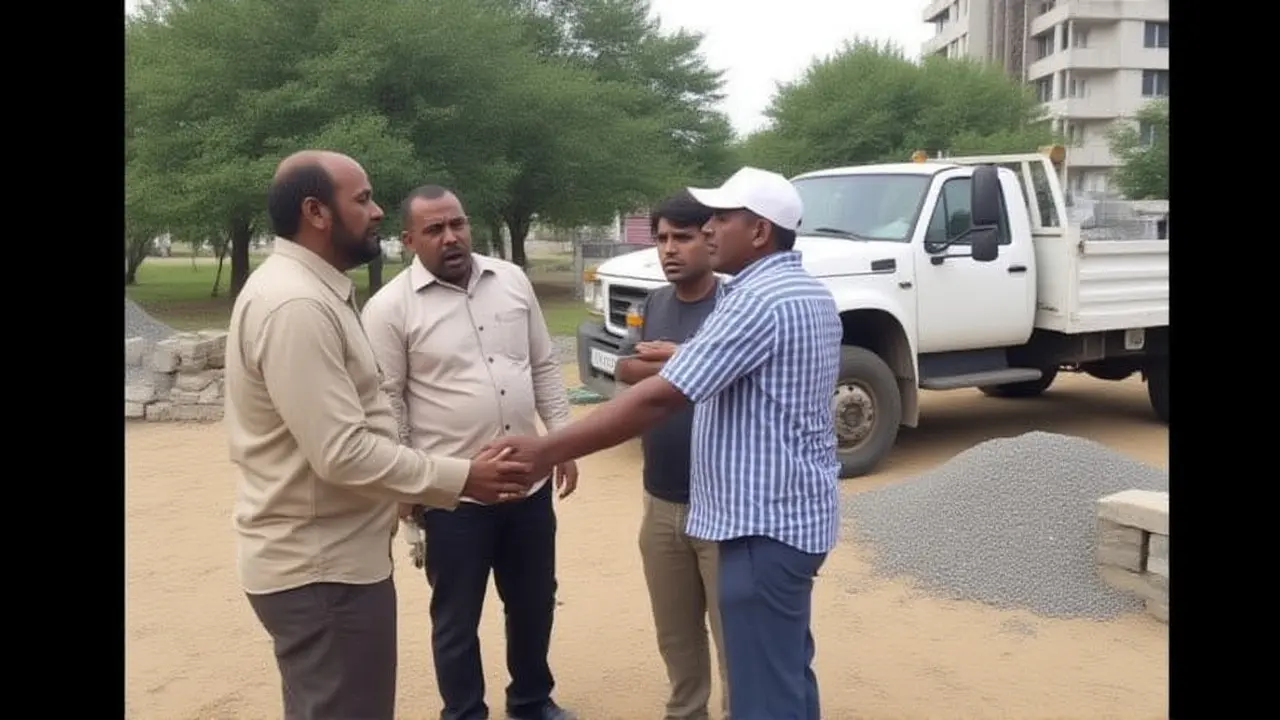
The EACC is investigating several serious allegations against Analo. According to broadcast reports, these include abuse of office, corruption, bribery, and misappropriation of public funds. There are also references to "other offenses" that remain unspecified.
Abuse of office typically involves using your position for personal gain rather than public service. Bribery speaks for itself. Misappropriation means taking money meant for public projects and diverting it elsewhere. Given Analo’s role in urban planning, any of these charges would likely involve developers, contractors, or land deals gone wrong.
Here’s why this matters: Urban planning controls who builds where, how tall buildings can go, and which neighborhoods get infrastructure upgrades. If those decisions are being bought, then entire communities suffer. Affordable housing gets pushed out. Traffic congestion worsens. Public spaces disappear.
Broader Implications for Nairobi
This case echoes previous high-profile corruption scandals in Kenya’s devolved governments. Recall the case of former Nakuru Governor Susan Wanjiku, who faced similar scrutiny over irregular tenders. Or the ongoing probes into procurement practices in Mombasa County. Each case chips away at public trust in local governance.
For Nairobi residents, the impact could be immediate. With the planning committee disbanded, approvals for new developments may stall. Construction projects waiting for permits could face delays. Developers might pause investments until clarity emerges. The ripple effects touch everyone from small-scale builders to major real estate firms.
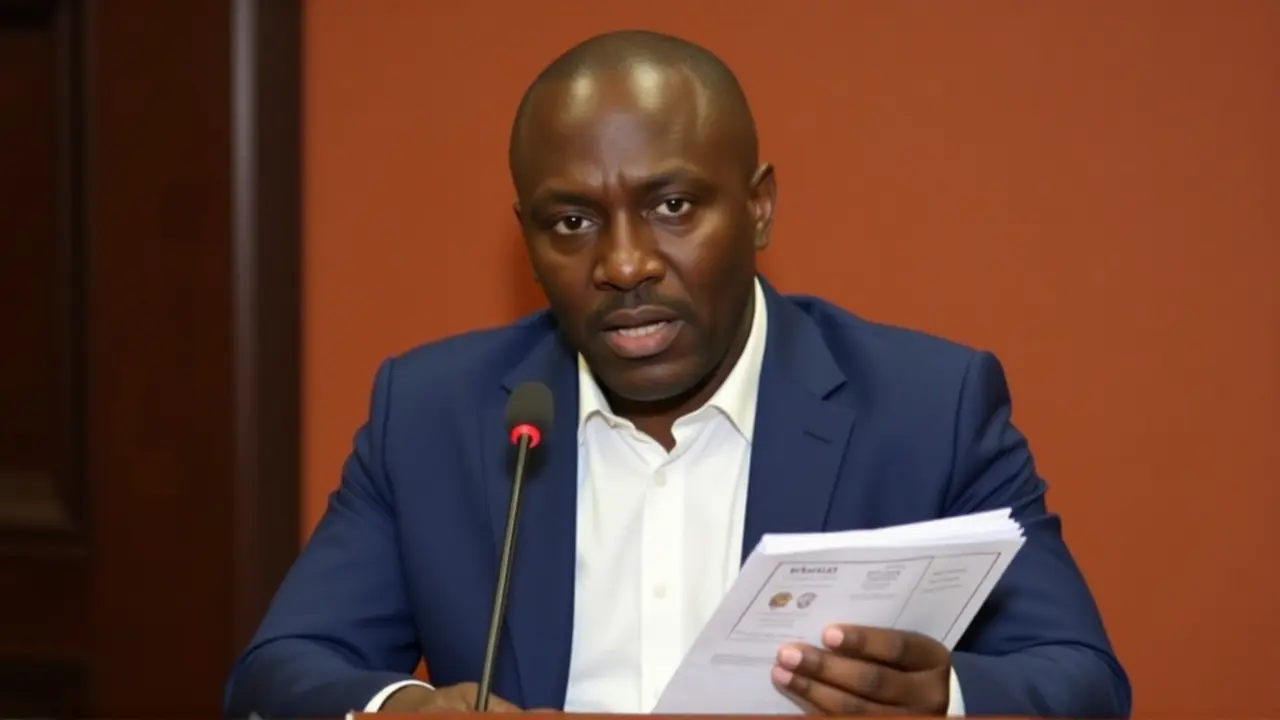
Experts warn that without transparent reforms, such incidents will continue. Dr. James Mwangi, a governance analyst at Strathmore University, noted in past interviews that weak oversight mechanisms allow corrupt practices to flourish unchecked. "Suspensions are necessary," he argues, "but they’re not sufficient. You need institutional change."
What Happens Next?
The next few weeks will be critical. The EACC must complete its forensic audit of Analo’s finances and trace the source of the recovered cash. Prosecutors will decide whether to file criminal charges based on evidence gathered. Meanwhile, Nairobi County needs to appoint interim leadership for the planning department to avoid administrative paralysis.
Watch for three key developments: First, any additional arrests linked to the same network. Second, disclosures about specific projects tied to the alleged illicit payments. Third, potential legislative changes aimed at strengthening accountability in county governments.
If history is any guide, this won’t end quickly. Corruption cases in Kenya often drag on for years. But public pressure is mounting. Citizens want answers. They want justice. And they want assurance that their tax dollars aren’t lining someone’s pockets.
Frequently Asked Questions
Why was Patrick Analo suspended so quickly?
Governor Johnson Sakaja suspended Analo immediately after the Ethics and Anti-Corruption Commission recovered over Ksh.65.3 million in cash at his residence. The swift action demonstrates political urgency to distance the county administration from alleged corruption and prevent further misuse of authority while investigations proceed.
Who else was involved in the raid besides Analo?
Analo’s wife was also detained during the EACC operations and later released on a cash bail of Ksh.100,000. While her exact role remains unconfirmed, her detention indicates investigators believe she may have knowledge of or involvement in the financial transactions under scrutiny.
What does disbanding the planning committee mean?
Disbanding the committee halts all current decision-making processes within Nairobi’s urban planning department. Projects awaiting approval will experience delays until new leadership is appointed. This move aims to reset the system and eliminate potential conflicts of interest embedded in the previous structure.
How much money was actually recovered?
Investigators recovered more than Ksh.65.3 million in cash across multiple currencies, including Kenyan shillings, US dollars, and euros. The precise breakdown between currencies hasn’t been fully disclosed, but the sheer volume raises serious questions about legitimate income sources for a public servant.
Will this affect construction projects in Nairobi?
Yes, temporarily. With the planning committee dissolved, permit approvals and zoning decisions are paused. Developers should expect delays ranging from weeks to months depending on how quickly interim structures are put in place. Small businesses relying on quick turnaround times may feel the pinch most acutely.
