
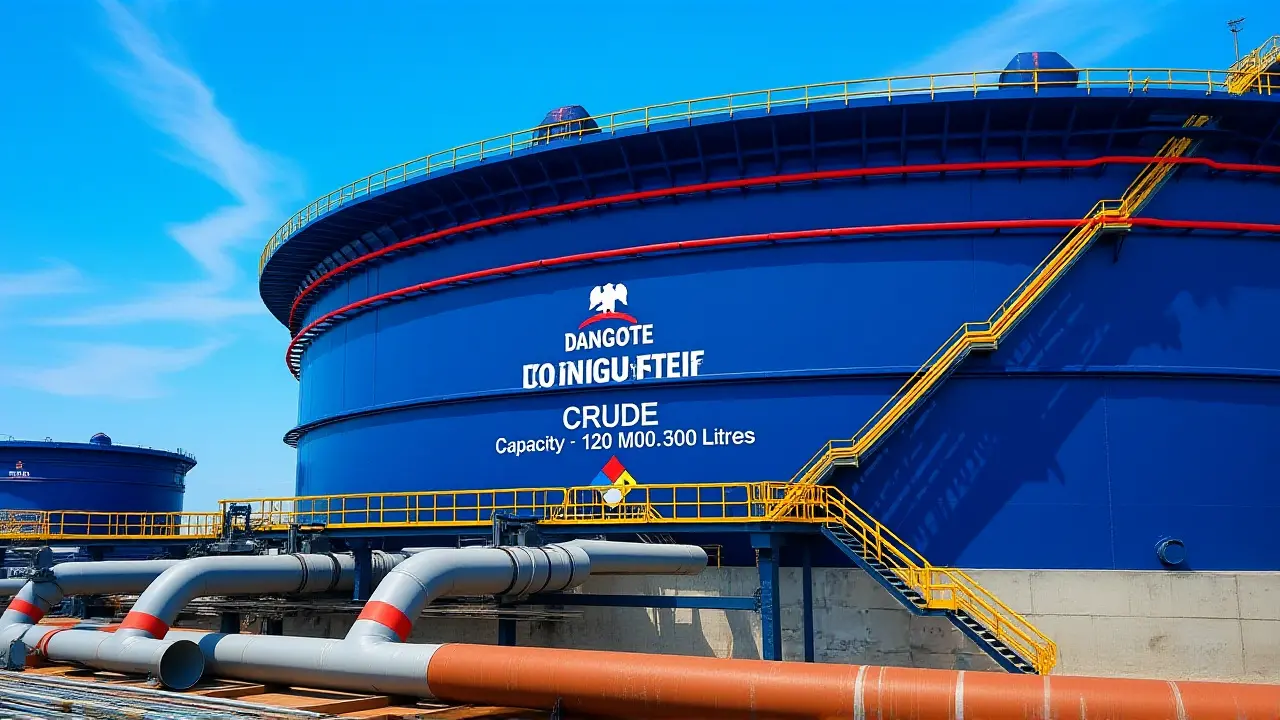
When Dangote Petroleum Refinery slashed its gantry price for Premium Motor Spirit (PMS) to exactly N1,200 per litre, it didn’t just tweak a number—it triggered a ripple effect across Nigeria’s entire downstream fuel sector. The move, which rolled back a previous hike to N1,275, forced private depot owners in major cities like Lagos and Port Harcourt to drop their own prices to stay competitive. For millions of motorists watching every naira at the pump, this sudden shift offers a glimmer of relief, even if the full benefit hasn’t yet reached retail stations.
The twist is that this isn’t just about lower costs at the source. It’s a signal of intensified competition. With the refinery setting a new baseline, marketers are squeezing their margins to keep customers from switching brands. Here’s the thing: while the headline figure is N1,200, the reality on the ground varies wildly depending on where you live.
The Domino Effect: How Depots Responded
It wasn’t long before the pressure hit the depots. Private storage facilities, previously holding steady or hiking prices, were forced to adjust. In coastal hubs—logistics centers where fuel distribution begins—the reaction was swift. Depot owners in Lagos, Warri, Port Harcourt, and Calabar saw their ex-depot prices tumble into a tight band between N1,210 and N1,255 per litre.
Why the variance? Competition. Marketers are playing a dangerous game of chicken, accepting thinner profit margins to retain market share. According to recent market snapshots, the breakdown looks like this:
- Masters Depot: N1,210 per litre (the lowest recorded)
- Nipco, Aiteo, Ardova, Liquid Bulk: N1,215 per litre
- Fynefield: N1,230 per litre
- Parker, Zamson: N1,253 per litre
- Danmarna: N1,255 per litre (the highest among coastal depots)
Notice how Masters and Nipco are hovering just N10–N15 above the Dangote gantry price. That’s razor-thin margin territory. They’re betting on volume over profit, knowing that if they don’t match the refinery’s aggressive pricing, truckers will bypass them entirely.
The Regional Divide: Coastal vs. Inland
But wait—if you’re not in a coastal city, the good news doesn’t travel as fast. The geographic spread of these cuts reveals a stark disparity in Nigeria’s fuel logistics. While coastal depots celebrate single-digit increases over the gantry price, inland states tell a different story.
In Anambra State, located in the south-east, new petrol prices settled at N1,335 per litre. Further north, in Borno State, prices dropped slightly but remain high at N1,330 per litre. These figures are substantially higher than the coastal range, illustrating the hidden costs of transport, security risks, and logistical complexities that plague northern and eastern distribution networks.
This gap highlights a persistent issue: infrastructure bottlenecks. Even when the source price drops, getting fuel to remote areas incurs premiums that aren’t immediately erased by refinery cuts. For a driver in Maiduguri or Awka, the “relief” is marginal compared to someone in Lekki or GRA Calabar.
Why Did Dangote Cut Prices?
To understand this move, we have to look back. Just weeks ago, the refinery had hiked prices to around N1,275 per litre. The justification then was instability in the global oil market, which pushed up production and supply costs. Industry insiders noted that crude prices fluctuated wildly, forcing the refinery to protect its bottom line.
So why the reversal? Reports suggest improved local supply conditions and a strategic desire to dominate the market. By rolling back the hike by N75, Dangote Group is signaling confidence in its operational efficiency. It’s also a power play. As the largest refining capacity in Africa, Dangote sets the tone. When they lower the bar, everyone else has to follow or fade.
Interestingly, separate reports indicate another adjustment occurred later, reducing diesel (AGO) from N1,800 to N1,700 and petrol to N1,250 in a different review cycle. This suggests a dynamic pricing model rather than a static one. The refinery is testing the waters, adjusting based on real-time supply data and competitor reactions.
What This Means for Your Wallet
Here’s the hard truth: depot prices don’t equal pump prices. There’s still the transporter, the station owner, and the regulator in the chain. However, history shows that sustained low depot prices eventually trickle down. If depots hold at N1,210–N1,255, we might see retail pumps stabilize below N1,400 in major cities within weeks.
For now, the immediate impact is psychological. Consumers feel the pressure easing, even if the cash savings aren’t fully realized yet. Transport unions and commercial drivers are cautiously optimistic, noting that lower input costs could reduce fare hikes on buses and tricycles.
But experts warn against celebrating too early. Global oil markets remain volatile. If Brent crude spikes again, expect Dangote to revisit its pricing strategy. This current lull is a reprieve, not a resolution.
Frequently Asked Questions
Did Dangote Refinery actually lower petrol prices to N1,200?
Yes. The refinery reduced its ex-gantry price for Premium Motor Spirit (PMS) from N1,275 to N1,200 per litre. This was a rollback of a previous hike attributed to global market instability. The move was confirmed by industry insiders and reported widely in business media.
Which cities saw the biggest drop in depot prices?
Coastal cities like Lagos, Warri, Port Harcourt, and Calabar saw the most significant adjustments, with depot prices falling to between N1,210 and N1,255 per litre. Inland states like Anambra and Borno saw smaller relative drops, with prices remaining around N1,330–N1,335 due to transport costs.
Will petrol pump prices drop immediately for consumers?
Not necessarily immediately. Depot prices are wholesale rates. Retail pump prices depend on transportation, station overheads, and regulatory caps. However, sustained low depot prices usually force retailers to adjust within days to weeks to remain competitive.
Why are prices still higher in Northern Nigeria?
Prices in states like Borno remain higher (around N1,330) due to logistical challenges, including longer transport distances from coastal depots and security concerns that increase insurance and routing costs. These factors add a premium that isn't eliminated by refinery price cuts alone.
Is this price cut permanent?
There is no guarantee. Fuel prices are tied to global crude oil trends and local supply dynamics. While Dangote has signaled improved local supply, any spike in international oil prices could prompt another review. Consumers should view this as a temporary stabilization rather than a fixed rate.
