
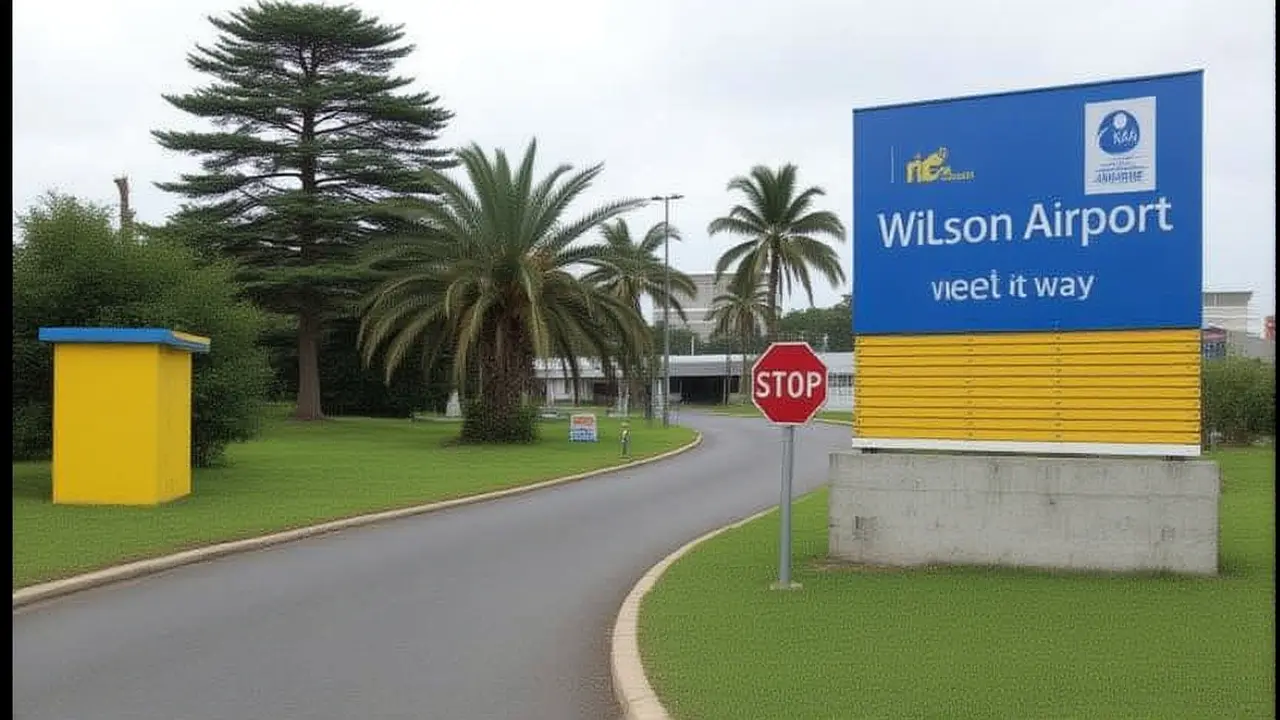
It’s a scenario every pilot trains for but never wants to experience. A De Havilland Canada Dash 8-100, a workhorse of regional aviation, lost its grip on the tarmac and veered off the runway during landing at Wilson Airport in Nairobi. The incident, classified as a runway excursion, has triggered immediate investigations by Kenyan authorities, though thankfully, there are no reports of fatalities.
The event underscores the delicate balance of commercial aviation safety. While details remain scarce, the fact that a passenger-carrying turboprop left the paved surface is enough to send ripples through the local aviation community. For travelers relying on Wilson Airport—a critical hub for domestic hops and safari charters—this raises urgent questions about runway conditions, weather factors, and aircraft performance.
The Incident: What Happened at Wilson?
Here’s what we know so far. The aircraft, identified specifically as a Dash 8-100 (also known as the DHC-8-100), was on final approach when things went sideways. In aviation terms, this isn’t just a hard landing; it’s a runway excursion. That means the plane departed the usable runway surface while landing, either overrunning the end or, in this case, veering off the side.
Wilson Airport, located in the heart of Nairobi, handles a high volume of short-haul traffic. It’s not your typical international mega-hub like Jomo Kenyatta International Airport nearby. Instead, it’s the go-to spot for regional connectivity, tourism charters, and business flights. The Dash 8-100 itself is an older model, typically seating around 37 passengers. These twin-engine turboprops are beloved for their efficiency on short routes, but they require precise handling, especially in varying weather conditions.
The exact time of day remains unclear. Was it the humid morning rush? The hot afternoon heat haze? Without specific timestamps from East Africa Time (EAT), we can only speculate on environmental factors. However, the lack of reported injuries suggests the crew managed the emergency with skill, bringing the aircraft to a stop without catastrophic impact.
Investigations Underway: Who Is Looking Into This?
When an aircraft leaves the runway, the clock starts ticking for investigators. In Kenya, the primary body responsible is the Kenya Civil Aviation Authority (KCAA). They will likely be joined by the Aircraft Accident Investigation Department (AAID) if the incident meets certain severity thresholds.
"Investigations are underway," is the standard phrase we’re seeing in early reports. But what does that actually mean on the ground? It means securing the scene. Investigators will examine the tire marks on the grass or dirt where the plane ended up. They’ll look for signs of brake failure, steering issues, or perhaps external factors like wet pavement reducing traction.
The airline operating the flight will also launch its own internal safety review. Since the specific carrier hasn’t been named in initial summaries, we don’t know their fleet maintenance history or recent operational audits. However, standard procedure dictates that the flight data recorder (FDR) and cockpit voice recorder (CVR)—if equipped on this older model—will be retrieved and analyzed. These black boxes hold the truth: speed, altitude, control inputs, and even the pilots’ conversations during those critical seconds.
Safety Record and Context
Is Wilson Airport prone to such incidents? Historically, it’s considered safe, but runway excursions are a global challenge. According to data from the International Civil Aviation Organization (ICAO), weather-related factors contribute to nearly half of all runway excursions worldwide. Rain, crosswinds, or contaminated runways can drastically reduce braking effectiveness.
The Dash 8 series has had its share of incidents globally, often linked to pilot error or adverse weather rather than mechanical failure. For instance, previous events involving similar turboprops have highlighted the importance of anti-skid system functionality and proper flare technique. Without a preliminary report, it would be premature to blame any single factor. But the pattern in aviation safety is clear: most accidents involve a chain of small errors or conditions, not one giant failure.
Impact on Travelers and Operations
For passengers who were on board, the adrenaline crash is real. Imagine sitting in seat 12A, watching the runway blur past, then feeling the sudden lurch as tires hit soft earth. No one likes that ride. While no injuries were reported, the psychological impact on passengers and crew is significant. Airlines usually offer counseling and support in these cases, though details haven’t been released yet.
Operationally, Wilson Airport may have faced temporary disruptions. Runway inspections after an excursion can take hours. Other flights might have been diverted or delayed. Given Wilson’s role in connecting Nairobi to destinations like Mombasa, Kisumu, and various safari lodges, even a few hours of closure affects hundreds of tourists and business travelers. The economic ripple effect, while hard to quantify immediately, adds pressure on the airport authority to resolve the issue quickly.
What Comes Next?
We are in the waiting game now. The KCAA typically releases a preliminary report within weeks, outlining factual findings without assigning blame. The final report can take months, sometimes over a year, as technical analyses are completed. Until then, speculation runs rampant. Social media is already buzzing with theories, but let’s stick to the facts.
Key entities to watch include the Kenya Airports Authority (KAA), which manages Wilson Airport, and the manufacturer, De Havilland Canada (now part of Bombardier). If mechanical defects are found, the manufacturer could face scrutiny. If human error or weather is cited, training protocols might come under review.
This incident serves as a stark reminder: aviation is safe, but it’s not infallible. Every excursion is a lesson learned, preventing future tragedies. As more details emerge, we’ll update our understanding. For now, the focus remains on ensuring the safety of all subsequent flights at Wilson Airport.
Frequently Asked Questions
Were there any injuries or fatalities in the Wilson Airport incident?
Fortunately, no fatalities were reported. Initial summaries indicate that while the aircraft veered off the runway, there were no serious injuries among passengers or crew. The exact number of minor injuries, if any, has not been disclosed by authorities yet.
Which agency is leading the investigation into the Dash 8 excursion?
The Kenya Civil Aviation Authority (KCAA) is expected to lead the official investigation, potentially in collaboration with the Aircraft Accident Investigation Department (AAID). They will analyze flight data, witness statements, and runway conditions to determine the cause.
What is a runway excursion?
A runway excursion occurs when an aircraft departs the runway surface during takeoff or landing. This can happen by overrunning the end of the runway or, as in this case, veering off the side. It is one of the most common types of aviation incidents globally.
How does this affect travel at Wilson Airport?
While operations have likely resumed, such incidents can cause temporary delays or diversions for other flights. Passengers should check with their airlines for real-time updates, as thorough runway inspections are mandatory after any excursion to ensure safety.
Why did the Dash 8-100 veer off the runway?
The probable cause is currently unknown. Investigations are still in the early stages. Potential factors being examined include weather conditions (such as rain or wind), runway surface friction, aircraft performance, and pilot decision-making. A definitive answer will come in the official report.
